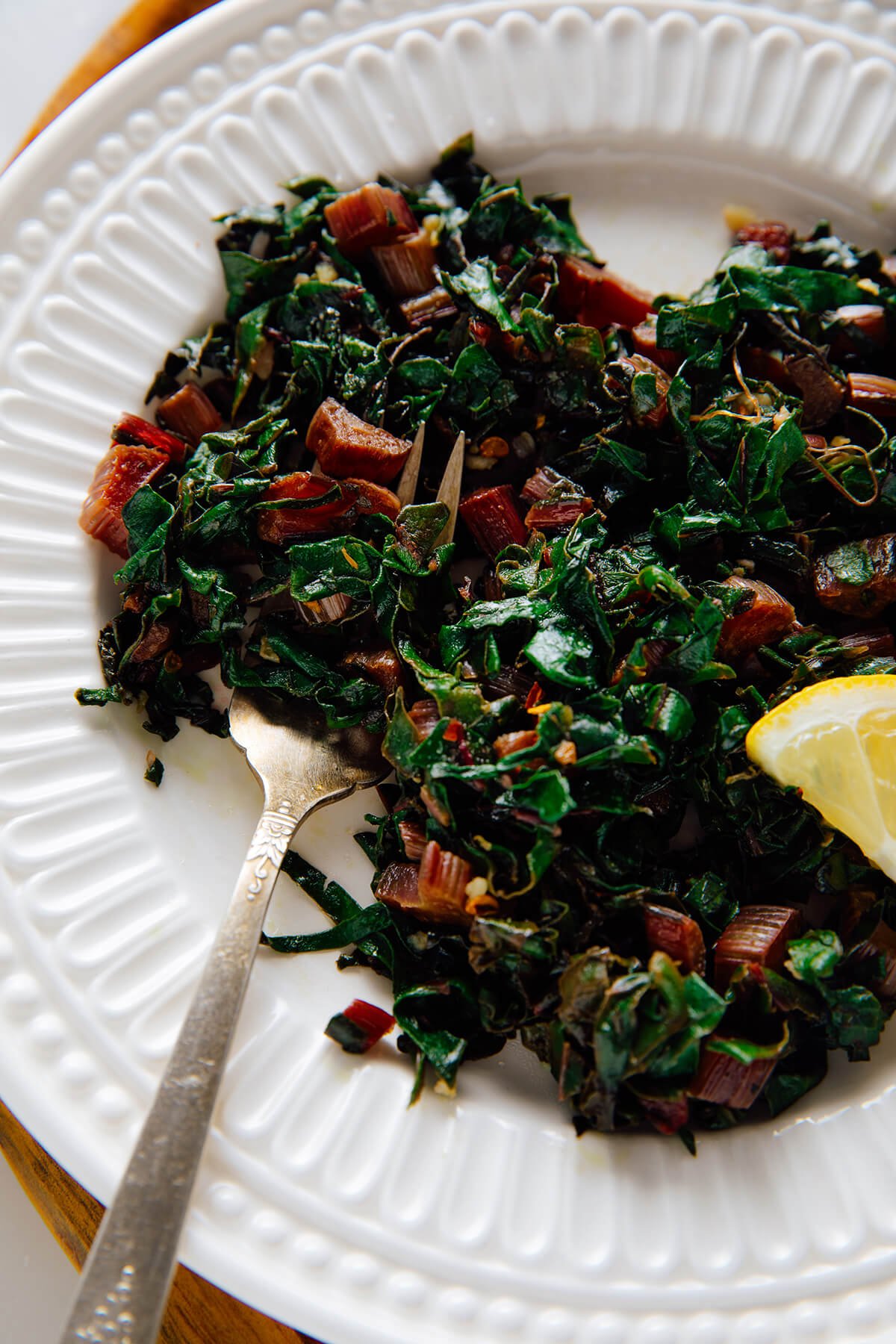
Quick Sautéed Swiss Chard: Don't Toss Those Flavorful Stems!
Have you ever stared at a beautiful bunch of Swiss chard, admiring its vibrant leaves and sturdy, colorful stems, only to wonder how to cook it without it tasting bitter or discarding those potentially valuable stalks? You're not alone! Many home cooks default to tossing the stems or shy away from Swiss chard entirely, fearing an unpleasant taste. But what if we told you that the secret to truly irresistible
sauteed Swiss chard lies in embracing every part of this incredible green, stems included?
This comprehensive guide will show you how to transform a humble bunch of Swiss chard into a quick, flavorful, and incredibly versatile side dish in just about 15 minutes. We'll demystify the cooking process, highlight its surprising sweetness, and convince you that those often-discarded stems are not just edible, but packed with flavor and nutrients, ready to elevate your next meal. Get ready to discover your new favorite green!
Why Sautéed Swiss Chard Should Be Your Go-To Green
Swiss chard, often found adorning farmers' market stalls and grocery produce sections, is a leafy green vegetable that deserves a prime spot on your plate. It's an unsung hero, offering a fantastic alternative to more common greens like spinach or kale, with a unique flavor profile and stunning visual appeal.
A Taste of Sweetness, Not Bitterness
One of the biggest misconceptions about Swiss chard is its perceived bitterness. While some might place it on a spectrum between spinach and kale, many, including ourselves, find it surprisingly sweet, especially when cooked properly. The gentle act of sautéing, particularly with aromatic companions like garlic and a touch of acid like lemon, helps to coax out its natural sugars, mellowing any potential bitterness into a pleasant earthiness. This makes for an incredibly palatable experience that even chard skeptics will appreciate. For more on its delightful flavor, check out
Beyond Spinach: Why Sautéed Swiss Chard is Your New Favorite Green.
Nutritional Powerhouse with Stunning Colors
Beyond its flavor, Swiss chard is a nutritional powerhouse. It's a member of the beet family, a fact beautifully illustrated by its vibrant stems and veins, which can range from crisp white to sunny yellow to brilliant ruby red – hence its common market moniker, "rainbow chard." These striking colors aren't just for show; they're a giveaway for potent phytonutrients like betalains, found in reddish-purple pigmented vegetables, along with a wealth of vitamins (A, C, K) and minerals. By utilizing the stems, you're not just preventing food waste; you're maximizing your intake of these beneficial compounds.
Quick, Easy, and Incredibly Versatile
What truly sets
sauteed Swiss chard apart is its incredible ease and speed. We're talking about a dish that comes together from start to finish in about 15 minutes, making it perfect for busy weeknights or as a quick addition to any meal. This simple side dish brings out the natural sweetness of rainbow chard with just a few staple ingredients, proving that healthy eating doesn't have to be complicated. It's light enough for summer grilling and cozy enough to complement hearty fall dishes. Pair it effortlessly with:
* Roast chicken, fish, or pork
* Pasta dishes or risottos
* Scrambled eggs or frittatas for a nutritious breakfast
* Grain bowls or alongside baked potatoes
It's clear that whether you're looking for
easy Swiss chard recipes to use up garden greens or a vibrant alternative to spinach, this one checks every box.
The Secret to Perfect Sauteed Swiss Chard: Don't Toss Those Stems!
This is where many recipes fall short, and where we truly unlock the full potential of Swiss chard. The stems, with their slightly tougher texture and concentrated flavor, are often discarded, leading to unnecessary waste and a missed opportunity for added depth and nutrition.
Why Stems Are Worth Cooking (and How to Prep Them)
Yes, Swiss chard stems are a bit firmer and take slightly longer to cook than the delicate leaves, and some might find them a touch more "bitter" raw. However, when cooked properly, they offer a delightful crunch, a sweet-earthy flavor, and contribute significantly to the dish's visual appeal, especially if you're working with rainbow chard. Think of them like a milder, more tender celery that's packed with the same goodness as the leaves.
The key is in the preparation and staggered cooking:
1.
Wash Thoroughly: Swiss chard leaves can sometimes harbor a bit of soil, so wash each leaf individually under cold running water, paying attention to the crevices around the stems.
2.
Separate Stems from Leaves: Lay each chard leaf flat and, using a sharp knife, carefully cut along both sides of the thick central stem, separating it from the leafy green portion. You'll be left with the stem and two halves of leaf.
3.
Chop the Stems: Dice the stems into small, uniform pieces (about 1/4 to 1/2 inch thick). This ensures they cook evenly and become tender.
4.
Chop the Leaves: Stack the leafy greens, roll them into a cigar-like shape, and slice across horizontally into 1-inch wide strips.
That's it for the prep! Now you have two distinct components, ready for their moment in the pan.
Essential Ingredients: Simplicity at Its Best
One of the beauties of this dish is its reliance on simple, everyday ingredients. You don't need fancy gadgets or hard-to-find items to make
garlic sautéed Swiss chard sing. Here's what you'll need:
*
A beautiful bunch of Swiss chard: Look for firm, vibrant leaves and crisp, unblemished stems. It might also be labeled as silverbeet or rainbow chard.
*
Fresh garlic: Minced garlic is the backbone of flavor here.
*
Good quality olive oil: For sautéing and adding richness.
*
A splash of water or vegetable broth: To help the stems soften.
*
Sea salt and freshly ground black pepper: To taste.
*
Optional enhancements: A squeeze of fresh lemon juice for brightness, a sprinkle of grated Parmesan cheese for umami, or a pinch of red pepper flakes for a subtle kick.
Mastering the Sauté: Step-by-Step for Irresistible Flavor
With your ingredients prepped and ready, this dish comes together incredibly fast. The magic is in the timing and not overcooking, which keeps the chard vibrant and tender-crisp.
1.
Heat the Pan and Aromatics:
* Place a large sauté pan or skillet over medium heat. Add 1-2 tablespoons of olive oil.
* Once the oil is shimmering, add your minced garlic. Sauté for about 30 seconds to 1 minute, until fragrant. Be careful not to let the garlic brown or burn, as it can turn bitter.
2.
Cook the Stems First:
* Add the chopped Swiss chard stems to the pan. Along with the stems, add a splash (about 1-2 tablespoons) of water or vegetable broth. This helps create a steamy environment that tenderizes the firmer stems without drying them out.
* Sauté the stems for 2-3 minutes, stirring occasionally, until they start to soften slightly and become tender-crisp.
3.
Introduce the Leaves:
* Add the chopped Swiss chard leaves to the pan. They will look like a mountain, but don't worry, they'll wilt down significantly.
* Using tongs, gently toss and stir the leaves, allowing them to wilt into the pan. Continue cooking for another 3-5 minutes, or until all the leaves have softened and turned a vibrant green.
4.
Season and Finish:
* Remove the pan from the heat. Season generously with sea salt and freshly ground black pepper to taste.
* For an extra burst of flavor, squeeze in a tablespoon of fresh lemon juice. The acidity brightens the dish beautifully.
* If desired, stir in a sprinkle of grated Parmesan cheese just before serving.
Serve your delicious
sauteed Swiss chard immediately as a warm side dish.
Tips for Success:
*
Don't Overcrowd the Pan: If you're cooking a very large bunch of chard, it might be better to do it in two batches to ensure even cooking and prevent steaming instead of sautéing.
*
Moderate Heat is Key: High heat can burn the garlic and char the chard. Medium heat ensures everything cooks through beautifully.
*
Taste and Adjust: Always taste your greens before serving and adjust seasoning as needed. A little more salt or lemon can make a world of difference.
*
Experiment with Fat: While olive oil is classic, a knob of butter at the end can add a lovely richness. Or, if you enjoy a hint of spice, add a pinch of red pepper flakes along with the garlic.
Conclusion
There you have it – the definitive guide to cooking
sauteed Swiss chard that's not only quick and easy but also celebrates every part of this incredible vegetable. By understanding how to properly prepare and cook Swiss chard, especially its often-overlooked stems, you unlock a depth of flavor and nutrition that truly makes this dish shine. From its vibrant colors and sweet-earthy taste to its impressive health benefits and effortless preparation,
sauteed Swiss chard is an essential side dish that deserves a permanent spot in your culinary repertoire. So, the next time you spot those beautiful bunches of Swiss chard, remember our mantra: don't toss those flavorful stems! They're the secret ingredient to a truly unforgettable green.