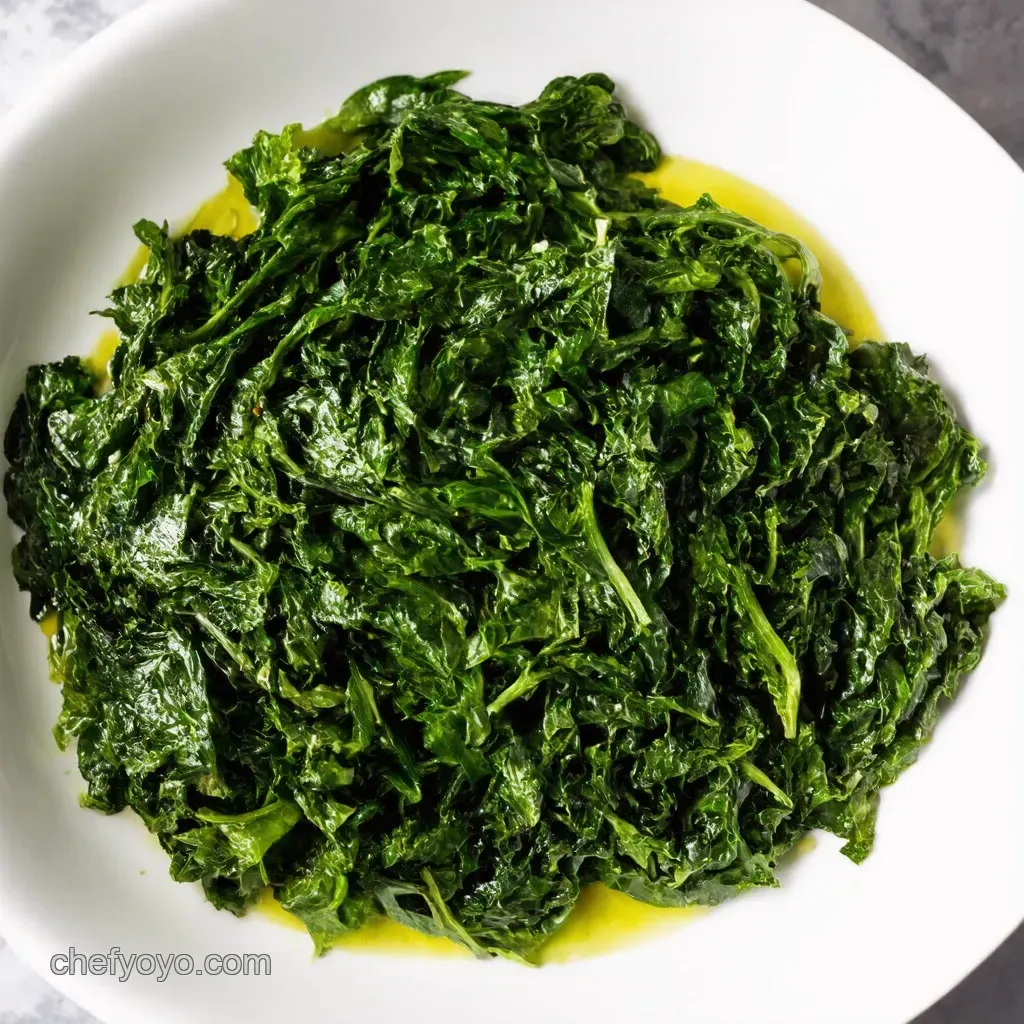
Beyond Spinach: Why Sautéed Swiss Chard is Your New Favorite Green
For too long, spinach has held the crown as the go-to quick and healthy green. But what if we told you there’s a vibrant, versatile, and equally delicious alternative that's ready to steal the spotlight? Enter Swiss chard. Often overlooked, this leafy powerhouse transforms into an unbelievably sautéed Swiss chard dish that’s anything but bitter, bursting with flavor, and surprisingly simple to prepare in under 15 minutes. If you've been searching for easy Swiss chard recipes to add excitement to your plate, you've just found your new culinary obsession.
Forget everything you thought you knew about cooking greens. This method unlocks the natural sweetness of Swiss chard, making it an irresistible side that pairs effortlessly with everything from a weeknight roast chicken to a gourmet pasta dish. Its striking colors and robust texture offer a welcome change from more common greens, proving that healthy eating can be both quick and incredibly crave-worthy. Ready to elevate your vegetable game? Let's dive into why sauteed Swiss chard is about to become a staple in your kitchen.
Why Swiss Chard Deserves Your Plate (Beyond Spinach)
Swiss chard, a majestic member of the beet family, is far more than just another leafy green. Its visual appeal alone sets it apart: from the crisp white stalks of traditional Swiss chard to the stunning reds, yellows, and oranges of what's often sold as "rainbow chard," these vibrant stems add a pop of color that instantly brightens any plate. While its name might suggest an Alpine origin, the "Swiss" moniker actually comes from the botanist who identified it, not its geographic roots. This green is truly a global delight, also known as silverbeet in some parts of the world.
Beyond its striking good looks, Swiss chard offers a unique flavor profile that positions it perfectly between the delicate earthiness of spinach and the hearty, sometimes bitter, notes of kale. When cooked properly, especially when sautéed, its leaves soften beautifully while retaining a pleasant texture, and its flavor develops a delightful, mild sweetness. This natural sweetness is often surprising to those accustomed to overcooked, bitter greens. It’s a testament to the fact that with the right technique, this humble vegetable can become the star of your meal.
Its versatility in the kitchen is another huge advantage. Swiss chard holds up better to cooking than spinach, making it a fantastic choice for longer simmering dishes, but it also shines in quick sautéed applications. This robustness means you can enjoy its benefits in a variety of preparations, making it an incredibly adaptable ingredient for any home cook looking to expand their green repertoire.
The Secret to Perfectly Sautéed Swiss Chard: Easy 15-Minute Recipe That's Not Bitter
The biggest hurdle for many when approaching Swiss chard is the fear of bitterness. Rest assured, perfectly sauteed Swiss chard is anything but. The magic lies in a quick cooking time and a few key flavor enhancers that bring out its inherent sweetness. This particular method ensures a delicious, non-bitter result in just 15 minutes, making it an ideal candidate for even the busiest weeknights.
The key elements that transform Swiss chard from potentially bitter to irresistibly sweet are surprisingly simple: fresh garlic, a bright squeeze of lemon, and a touch of richness, often from a sprinkle of Parmesan cheese or a good quality olive oil. The moderate heat of sautéing softens the fibers of the chard, while the garlic infuses a savory depth. A splash of water or broth helps to steam the greens gently, and the acidity from the lemon cuts through any lingering bitterness and brightens the overall flavor profile. Finally, a touch of fat (olive oil) and optional Parmesan adds a luxurious finish that makes this simple side dish truly crave-worthy.
The speed of this preparation is also a game-changer. By having all your ingredients prepped and ready – a culinary concept known as mise en place – you can move from raw greens to a plate of vibrant, tender, and flavorful sauteed Swiss chard in a flash. This efficiency makes it a stress-free addition to any meal, proving that healthy eating doesn't have to be time-consuming.
Unlocking the Full Potential: Prep, Stems, and Flavor Boosters
To truly master sauteed Swiss chard, proper preparation is paramount. Swiss chard, like many leafy greens, can harbor a bit of soil, so a thorough wash is essential. Separate the leaves and rinse them individually under cool running water, paying close attention to the nooks and crannies. Gently pat them dry or use a salad spinner to remove excess moisture.
One of the most common mistakes people make with Swiss chard is discarding the stems. This is a missed opportunity! The colorful stems, while slightly firmer and taking longer to cook than the leaves, are packed with flavor and nutrients. To incorporate them effectively, first separate them from the leaves. Then, slice the stems thinly into 1/4 to 1/2-inch pieces. For the leaves, stack them, roll them into a cigar shape, and slice across horizontally into 1-inch wide strips. For detailed guidance on maximizing those flavorful stalks, be sure to check out our article: Quick Sautéed Swiss Chard: Don't Toss Those Flavorful Stems!
When cooking, the stems go into the pan first. Heat a good quality olive oil in a large sauté pan over moderate heat. Add freshly minced garlic – typically 2-3 cloves for a bunch of chard, but feel free to adjust to your taste. Cook the garlic for about a minute until fragrant, being careful not to burn it. Then, add the sliced stems along with a splash of water or vegetable broth. Sauté for 2-3 minutes until they begin to soften. This head start ensures the stems become tender without overcooking the more delicate leaves.
Once the stems have softened slightly, add the sliced chard leaves to the pan. They will look voluminous at first, but don't worry, they wilt down quickly. Cook and stir for another 3-5 minutes, or until the leaves are tender-crisp and have a vibrant green color. Season with sea salt and freshly ground black pepper. A squeeze of fresh lemon juice at the end brightens everything up, and for an added layer of richness, a sprinkle of grated Parmesan cheese is a fantastic finishing touch. Other flavor boosters you might consider include a pinch of red pepper flakes for a subtle kick, or a splash of balsamic vinegar for a deeper, tangy note.
Nutritional Powerhouse: More Than Just a Pretty Green
Beyond its delicious taste and ease of preparation, Swiss chard is a nutritional superstar, boasting an impressive array of vitamins, minerals, and phytonutrients. As a member of the beet family, its vibrant stems and veins are a giveaway that it's rich in betalains. These powerful antioxidants are responsible for the beautiful reddish-purple pigments and are known for their anti-inflammatory and detoxifying properties, offering a significant boost to cellular health.
But the benefits don't stop there. Swiss chard is an excellent source of Vitamin K, crucial for blood clotting and bone health, providing several times your daily recommended intake in a single serving. It’s also packed with Vitamin A, vital for vision and immune function, and a good amount of Vitamin C, a well-known antioxidant that supports skin health and immunity. Additionally, you’ll find essential minerals like magnesium, important for muscle and nerve function, and potassium, which plays a key role in maintaining healthy blood pressure.
Furthermore, Swiss chard provides a significant amount of dietary fiber, aiding in digestive health and promoting a feeling of fullness, which can be beneficial for weight management. Its low calorie count combined with its high nutrient density makes it an incredibly smart choice for anyone looking to eat healthier without sacrificing flavor. Incorporating sauteed Swiss chard into your diet is a delicious way to nourish your body with essential nutrients and vibrant antioxidants.
Pairing Your Irresistible Sautéed Swiss Chard: Versatility on Your Plate
One of the most appealing aspects of sauteed Swiss chard is its incredible versatility. Its balanced flavor profile, enhanced by garlic and lemon, makes it a harmonious companion to a wide range of dishes, suitable for any season. Light enough for summer and comforting for cooler months, it truly is a green for all occasions.
Here are just a few ideas to inspire your next meal:
- Proteins: It's a classic pairing with roast chicken, grilled fish (especially salmon or cod), pan-seared steak, or even simple baked tofu. The bright flavors cut through the richness of meats and complement the delicacy of seafood.
- Pasta and Grains: Stir it into a simple aglio e olio pasta, or toss it with a creamy risotto for added texture and nutrients. It also makes a fantastic addition to grain bowls alongside quinoa, farro, or brown rice.
- Eggs: Elevate your breakfast or brunch by serving sauteed Swiss chard alongside fried eggs, folded into an omelet, or as a vibrant base for a frittata.
- Mediterranean Flavors: Its natural sweetness and earthy notes make it perfect with Mediterranean-inspired dishes, perhaps alongside feta cheese, olives, and cherry tomatoes.
- Sandwiches & Wraps: Add a layer of cooked chard to sandwiches or wraps for extra flavor, texture, and a boost of greens.
The beauty of this simple side dish is its ability to adapt. Don't be afraid to experiment with different herbs (a sprinkle of fresh thyme or oregano), spices (a pinch of nutmeg or coriander), or even a drizzle of your favorite balsamic glaze to match the specific flavors of your main course. This adaptability ensures that sauteed Swiss chard will never become boring on your menu.
Conclusion
It's time to move beyond the usual suspects and discover the culinary delight that is sauteed Swiss chard. This vibrant, nutritious, and incredibly easy-to-prepare green offers a fantastic alternative to spinach and kale, delivering a mild, naturally sweet flavor profile that’s anything but bitter. With just a few simple ingredients and a mere 15 minutes, you can transform a humble bunch of chard into a crave-worthy side dish that adds color, texture, and a wealth of health benefits to any meal. From its beautiful rainbow hues to its impressive nutrient density, Swiss chard is truly a green that deserves a permanent spot on your plate. So next time you're at the market, grab a bunch and get ready to enjoy your new favorite green!
